

March 8, the lake still frozen, the land about to come out of hibernation.
I went to Minneapolis to visit my son. I’d never even been to Minnesota before. But it’s exciting to be here—the home of so much important Native history, past and present. It’s the intersection of the Mississippi River and the Great Lakes, where the Anishinaabeg and Oceti Sakowin came together.
Anishinaabeg refers to the Council of Three Fires, the Ojibwe (aka Chippewa), Odawa, and Potawatomi, as well as some other groups—Algonquin, Nipissing, Oji-Cree. Historically, they formed the Iron Confederacy with the Cree, Assiniboine, and Metis.
Oceti Sakowin, meaning Seven Council Fires, are also known as the Sioux. For a review of which bands constituted the original seven, and then the seven new bands of the Lakota, see my diagram at this blogpost. Minneapolis is squarely in the historic territory of the Eastern Dakota, aka Santee Sioux.
In more recent history, Minnesota has been a center of Native activism, the original home of AIM and the current home of Winona LaDuke, among other Native leaders.

I recommend this book, by Mary Lethert Wingerd, for a decent history of the state.
A friend of my son’s joined us for breakfast. She was a local white girl who grow up in Northfield, an hour south of here. She told us about her 8th grade history of Minnesota, which made no mention of Little Crow’s War, the Mankato executions, or Native Americans at all. In her memory, it was all about the bandit Jesse James, who was prevented from robbing a bank in Northfield and lost many of his gang in a shootout. The children even did a school play about it. This kind of highly selective history and Native erasure continues in many Minnesota schools today.
One of the highlights was my visit to the Minneapolis American Indian Center, a community center that offers a plethora of services to elders, children, and everybody else. Built in the 70s, it’s one of the first Native cultural centers in the nation. I’ll leave you with some pics from it.

The mural on the back side of the Minneapolis Indian American Center.


Birch bark canoe on display.

The art gallery was featuring a historic collection of AIM photographs.
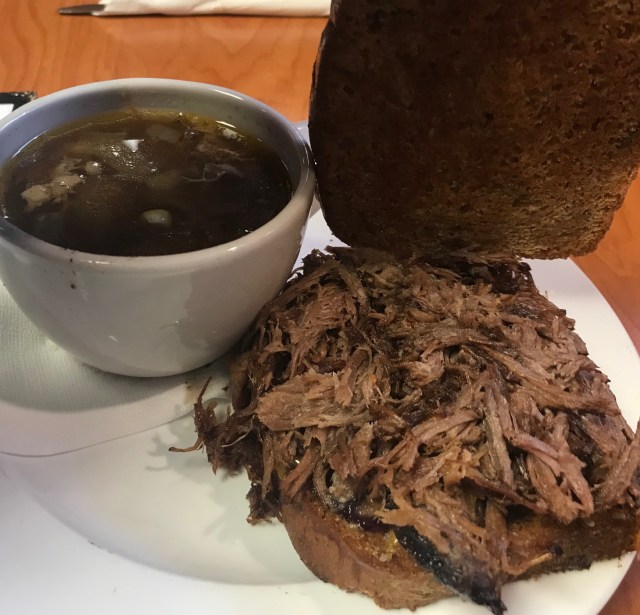
They have a cafe featuring traditional foods. In the spirit of decolonization, I had to get the bison melt.

 Memories of the People