Columbus Gets the Ax

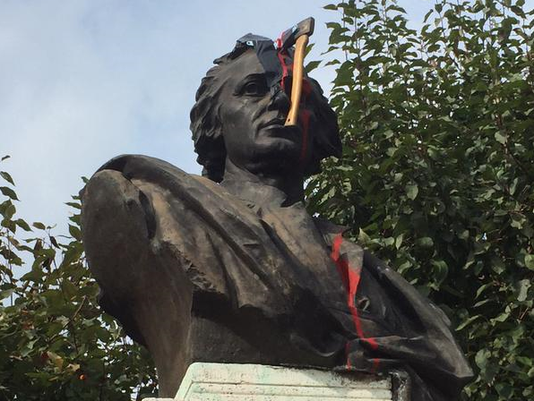
In an artistic display of rebellion, a statue of Christopher Columbus in Detroit (the old French fort between the Haudensaunee Confederacy and the Anishinaabe) was decorated with an ax to the forehead, complete with fake blood.

Columbus-Ax-in-head

This is reminiscent of this summer’s removal of the Confederate Flag in South Carolina (which resulted in systemic change) and last month’s attack on a statue of Junipero Serra in California (which resulted in the authorities seeking to press hate crime charges against the Native American perpetrators–   I have explained why that decision in and of itself meets the definition of a hate crime.)

Posted in news | Tagged , , , , , , | 1 Comment

The Slave Trade that Textbooks Ignore

The release of new textbooks in Texas, which diminish the African slave trade by describing the slaves in the US as “workers” or “immigrants”, has sparked outcry.  Many have commented that this is a classic attempt at erasure, to erase the memory and history of slavery in the US.

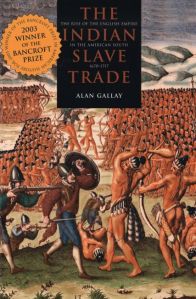
It’s a fair concern because another slave trade has already been erased.  It is ignored by high school textbooks.  Most Americans are completely unaware of it:  the widespread capture and enslavement of Native Americans, primarily in Florida in the late 1600s and early 1700s.

slavesBy 1705, the villages and towns of the Apalachee, Timucua, Ais, Jeaga, Calusa, Tocobaga, and Matecumbe had all been devastated by the Yamasee, who worked as slavers for the British.  All the way down to Key West, Florida was depopulated so that, today, many of the original tribes no longer exist.  A few remaining Indian villages sought protection around the Spanish settlement at St. Augustine; they were “IDP’s”, internally displaced persons.  Most of the captives were taken to Charleston, South Carolina and shipped as slaves to British plantations in the Caribbean.  Between 1670 and 1715, as many as 50,000 Indians were exported from Charleston, more than double the number of African slaves brought in.

An Englishman recounted,  “They have drove the Floridians to the Islands of the Cape, have brought them in and sold many Hundreds of them, and Dayly now Continue that Trade so that in some few years they’le Reduce these Barbarians to a farr less number.  There is not one Indian Town betwixt Charles Town and Mowila Bay [Mobile, Alabama]…”

It was one of the most complete genocides of Native Americans (the other being California in the 1850s and 60s).  Yet you’d be hard-pressed to find this in a high school textbook.

Posted in news | Tagged , , , , , , , , , , , | Leave a comment

Protest Vandalism by Native Americans Considered a Hate Crime Against Spanish Missionaries

In a surprising twist, the victims of genocide, who vandalized statues and gravestones of their ancestor’s oppressors, may be charged with a hate crime.

The incident occurred last weekend at the Spanish mission in Carmel in the wake of the pope’s canonization of Spanish missionary Junipero Serra.

The statue Junipero Serra, tipped over and labeled

The statue Junipero Serra, tipped over and labeled “Father of Genocide”.

First, the most obvious observation, is that the genocide was the real hate crime, and it is much worse than vandalism (even the desecration of graves), yet it goes unpunished here.  By implication, the genocide is accepted as a fait accompli and thus no longer questioned, legally or morally, presumably because the genocide happened centuries ago but the vandalism happened last weekend.  Legally, of course, the perpetrators of the genocide are long dead, so they’re off the hook from prosecution.  We could look at who is benefiting from that genocide today…

Let’s look at the vandals.  Their first crime, presumably, was trespassing.  Let that sink in for a minute.  They were trespassing at the mission in Carmel.  By what historical circumstance does the mission own that land?  How do they have legal title to it?  It wouldn’t surprise me if the answer goes all the way back to the Spanish occupation.  Point being there is probably no clear moral title to the land, and thus the charge of trespassing is morally questionable.

Let’s look at the crime– tipping over statues, throwing paint on gravestones.  It’s a classic act of resistance by an oppressed minority, shouting in some way to be heard above the noise of their oppression, or the noise of the acceptance of their oppression by the ambient society.  They are trying to make themselves heard.  The white majority will no doubt advise them to act within the law– the internet is filled with white people telling brown people why they shouldn’t feel the way they do, as if the whites would be so much more mature if the roles were reversed.  I’ll grant Native Americans the right to question the protesters, but whites really have little basis for passing judgement.

In the California legal code, a hate crime is any interference with someone else’s civil rights, or destruction of their property, motivated in whole or part by that person’s disability, gender, nationality, race or ethnicity, religion, or sexual orientation.  I suppose, then, this would be a hate crime.  After all, we are talking about an action, in the vandal’s own words, in protest of genocide.  The genocide clearly meets the hate crime’s definition, and thus so does this vandalism in protest of it.  Both are actions defined by ethnicity.

In classic non-violent theory, the vandals should not act under cover of darkness, but act in daylight and accept the consequences, which would further illustrate the perpetuation of the genocide.  For that’s exactly what the canonization of Junipero Serra was, an act that celebrates and perpetuates the genocide.  Selective enforcement by the authorities, ignoring the genocide or even the land title of the mission, only going after the vandals, also supports the genocide.  Thus, selectively enforcing the hate crime statute only against the victims/protesters/vandals also meets the definition of a hate crime.

Posted in news | Tagged , , , , , | Leave a comment

Our Shared History of Violence

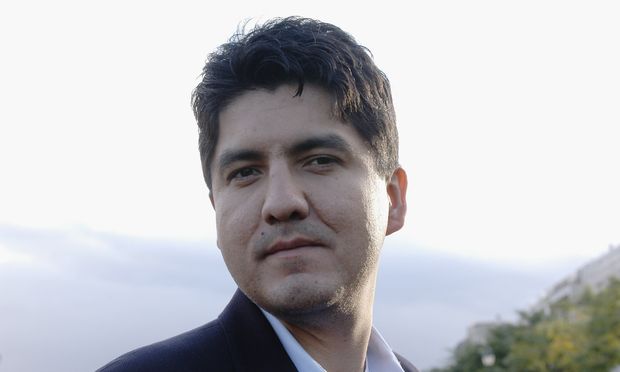
Sherman Alexie discusses the impact of history on children today.

Alexi

Posted in news | Tagged , , , | Leave a comment

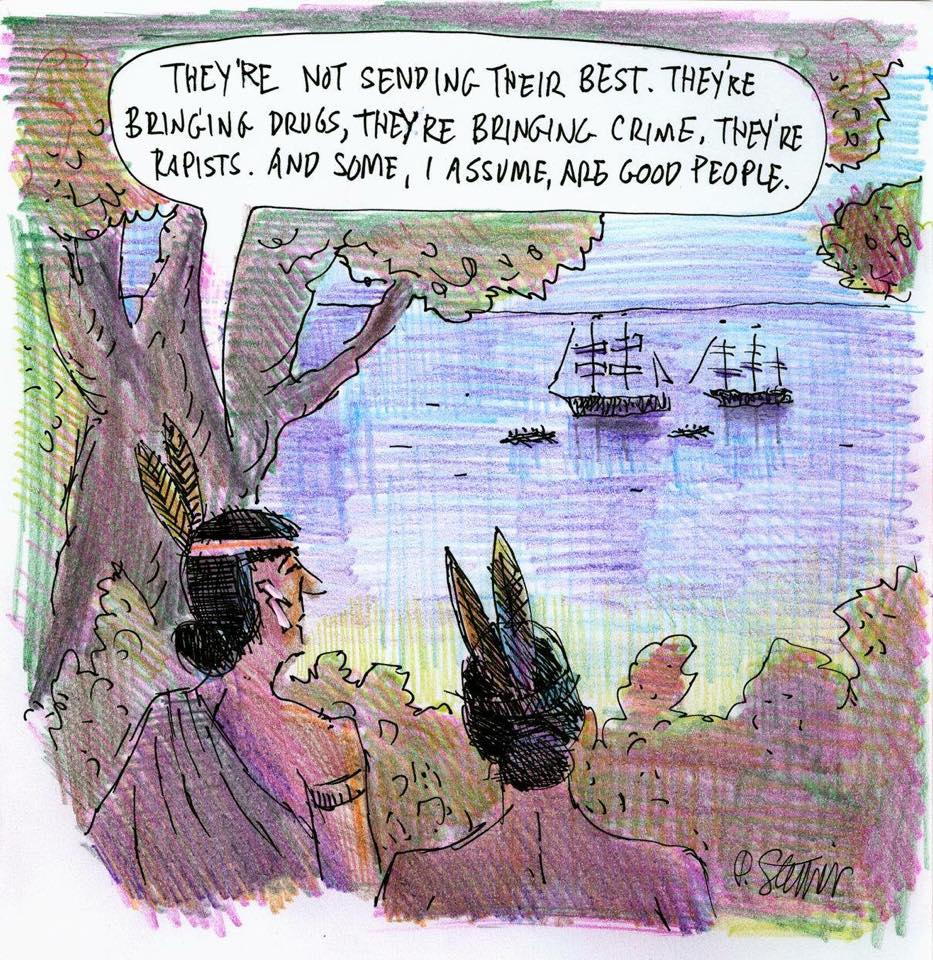
Native Americans Discuss Immigration- Trump Style

trumpcartoon

credit to the 1491s

Posted in news | Tagged , , , | 1 Comment

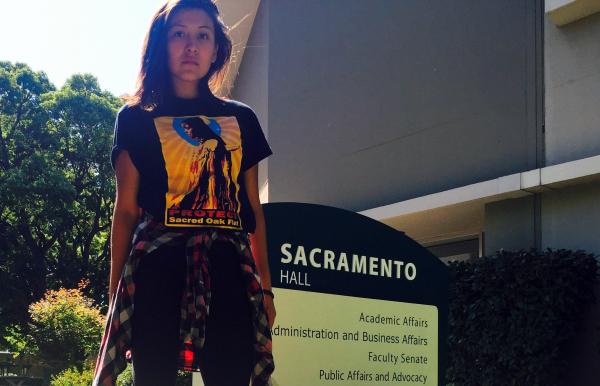
Remembering Genocide in the Sacramento Valley

This story is breaking out across Indian Country:

sacstate1History Professor Denies Native Genocide: Native Student Disagrees, Gets Expelled From Course

The ultimate irony is that the university is Sacramento State.  Though no one much talks about it, the Sacramento Valley is home to one of the most complete and thorough genocides ever documented.  In the 1850s and 60s, entire tribes were wiped out, deliberately, sometimes in the span of a few years, with most members suffering violent deaths.

The stories reached a newspaper in New York City, which reported:

We have been informed through the papers, of the murderous outrages committed on the aboriginal inhabitants of California by men with white skins. We regret to say that there is no exaggeration in these accounts… In the Atlantic and Western States, the Indians have suffered wrongs and cruelties at the hands of the stronger race. But history has no parallel to the recent atrocities perpetrated in California. Even the record of Spanish butcheries in Mexico and Peru has nothing so diabolical.

The primary targets were the hill tribes, called “Diggers” by the white pioneers, who occasionally fought back or stole livestock for food.  The valley tribes were already pacified, largely working on white ranches and farms as domestic servants or field hands.  In Shasta County, settlers collected funds to pay bounties for Indian scalps. In Sacramento, a newspaper asserted that “the people are enraged against them, and are ready to knife them, shoot them, or inoculate them with smallpox – all of which have been done.”  In Marysville, the newspaper observed, “The Diggers can be saved from forcible extermination only by the intervention of Uncle Sam. There should be troops enough employed at each Reservation to keep them corralled.”  Thus the hill tribes were so hunted like game that they came to the US military for protection. A captain in the 2nd Infantry reported, “the tribes are kept in constant fear on account of the indiscriminate and inhumane massacre of their people in many places, for real or supposed injuries.”

The federal Indian agent at Klamath noted a pattern in the attacks, “to kill the agent first.” A US Army major general made a plea for help from Indian Affairs: “Something ought to be done for these miserable creatures, who it appears were not in the wrong, and whom the White inhabitants are determined to exterminate.”

An editorial in San Francisco echoed the concerns of white liberals: “It will be wise as well as benevolent to gather them as soon as convenient where they can be fed and saved from slaughter. Their race is fast passing away, and the least we can do for them is to prevent their ending from being hurried and violent.”

A slave trade evolved, with extensive sex trafficking in women and girls.

One of the most dramatic genocidal events took place in the last two weeks of August, 1864, on the farms and ranches between Sacramento and Redding.  Responding to the murder of two white women, white ranchers formed a vigilante group called the “Guards”.  They met at Pentz Ranch near Oroville and planned to kill every member of the Northern and Central Yana tribes, including women and children.  One member explained, “We must kill them big and little, nits will be lice.”

In a scene reminiscent of modern accounts from Rwanda, they went door to door, farm to farm, ranch to ranch.  They knew exactly who had Yana working for them.  On Little Cow Creek, they shot down three Yana men working in a barn, against the protestations of the rancher’s wife. Outside of Redding, they tore a girl from the arms of her white employer and slaughtered her in the yard. At a ranch house north of Millville, they were looking for a young maid whom they knew.
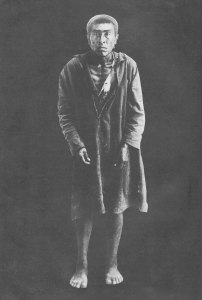
ishi

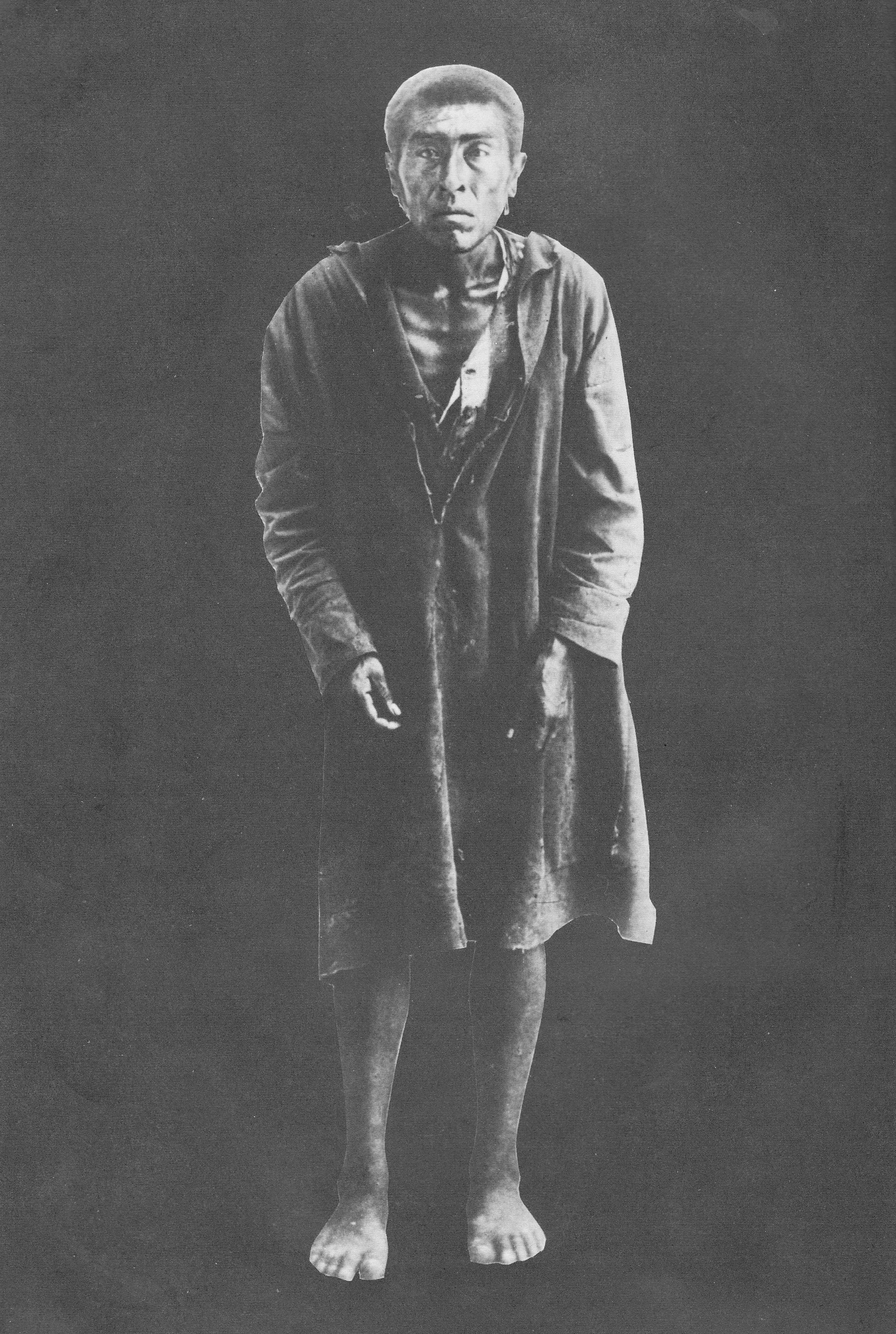
Ishi, last surviving member of the Yahi, 1911

“Eliza, come out. We are going to kill you.”

The girl replied, “Don’t kill me; when you were here I cooked for you, I washed for you, I was kind to you; I never asked pay of you. Don’t kill me now.”

But they pulled her out of the house, with her aunt and uncle, and pumped them full of bullets.

A farm to farm search in Cottonwood yielded twenty more. The largest haul came at Oak Run, where three hundred Yana had gathered to celebrate the harvest. No one survived.

The death squads killed nearly all of the two thousand remaining Yana.  (The nearby Yahi went into hiding in a canyon; years later their sole survivor would be Ishi.  Some of his belongings reside in the California Indian Museum about a mile from the Sac State campus.)

The United Nations definition of genocide doesn’t require the deliberate physical killing of every member of a tribe, but if that’s the definition that Professor Maury Wiseman of Cal State Sacramento is using, all he needs to do is look out his window and back a few generations.

Source:  Heizer, Destruction of Calif Indians
 
Posted in news | Tagged , , , , , , , , , , , , , | 1 Comment

ISIS’s “Theology of Rape” is Nothing New to Native Americans; It Happened Here

On August 14, the New York Times published an article describing how ISIS uses their Islamic beliefs to justify rape and sex slavery.  The story explains how ISIS soldiers pray before and after each rape, and even go to the bizarre extreme of explaining to their victims that what they are doing is really worship of God.  The story was repeated by US media outlets across the land.

Not one of them made mention of Hernando De Soto, who did something very similar during his expedition of terror through what is now the US Southeast from 1539 to 1541.

desoto4bDe Soto’s army of several hundred armed Spanish men, many riding horses and leading trained attack dogs, marched into village after village and town after town, though Florida, Georgia, South Carolina, North Carolina, Tennessee, Alabama, Mississippi, Arkansas, Texas, and Louisiana.  In their company were captive Indians chained with neck collars. In fear the leaders of the villages sent emissaries offering gifts. These were received graciously by De Soto and a meeting with the chief would be arranged. At the meeting the village chief was invariably taken captive and chained. In exchange for his release, De Soto demanded food, servants to carry their gear, and women to be delivered to their camp. The latter would be baptized before they were raped in order to provide religious cover for the Catholic rapists. As for captured Indians who refused to reveal the location of their village, De Soto ordered their hands or noses cut off, or he burned them alive or had them torn apart by the dogs, one at a time, to extract information.  The Wikipedia account of De Soto makes no mention of most of this, certainly not the sexual assaults that were inflicted upon town after town.

De Soto traveled with a personal secretary, Rodrigo Ranjel, who kept a journal.  (It was finally translated into English in 1904.)  Somewhere in northern Alabama, in late 1540, Ranjel included this passage:

The historian [Ranjel, speaking of himself in the third person] asked a very intelligent gentleman who was with this Governor [De Soto], and who went with him through his whole expedition in this northern country, why, at every place they came to, this Governor and his army asked for those tamemes or Indian carriers, and why they took so many women and these not old nor the most ugly; and why, after having given them what they had, they held the chiefs and principal men; and why they never tarried nor settled in any region they came to, adding that such a course was not settlement or conquest, but rather disturbing and ravaging the land and depriving the natives of their liberty without converting or making a single Indian either a Christian or a friend.

He replied and said: That they took these carriers or tamemes to keep them as slaves or servants to carry the loads of supplies which they secured by plunder or gift, and that some died, and others ran away or were tired out, so that it was necessary to replenish their numbers and to take more; and the women they desired both as servants and for their foul uses and lewdness, and that they had them baptized more on account of carnal intercourse with them than to teach them the faith… [emphasis added]

Ranjel then got on his soap box:

Oh, wicked men! Oh, devilish greed! Oh, bad consciences! Oh, unfortunate soldiers! that ye should not have understood the perils ye were to encounter, and how wasted would be your lives, and without rest your souls! …  Give ear, then, Catholic reader, and do not lament the conquered Indians less than their Christian conquerors or slayers of themselves, as well as others, and follow the adventures of this Governor, ill governed, taught in the School of Pedrarias de Avila, in the scattering and wasting of the Indians of Castilla del Oro; a graduate in the killing of the natives of Nicaragua and canonized in Peru as a member of the order of the Pizarros; and then, after being delivered from all those paths of Hell and having come to Spain loaded with gold, neither a bachelor nor married, knew not how nor was able to rest without returning to the Indies to shed human blood, not content with what he had spilled…

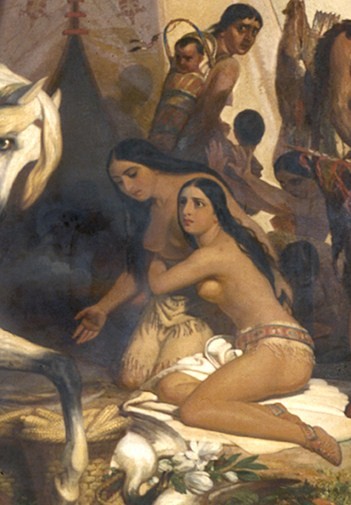
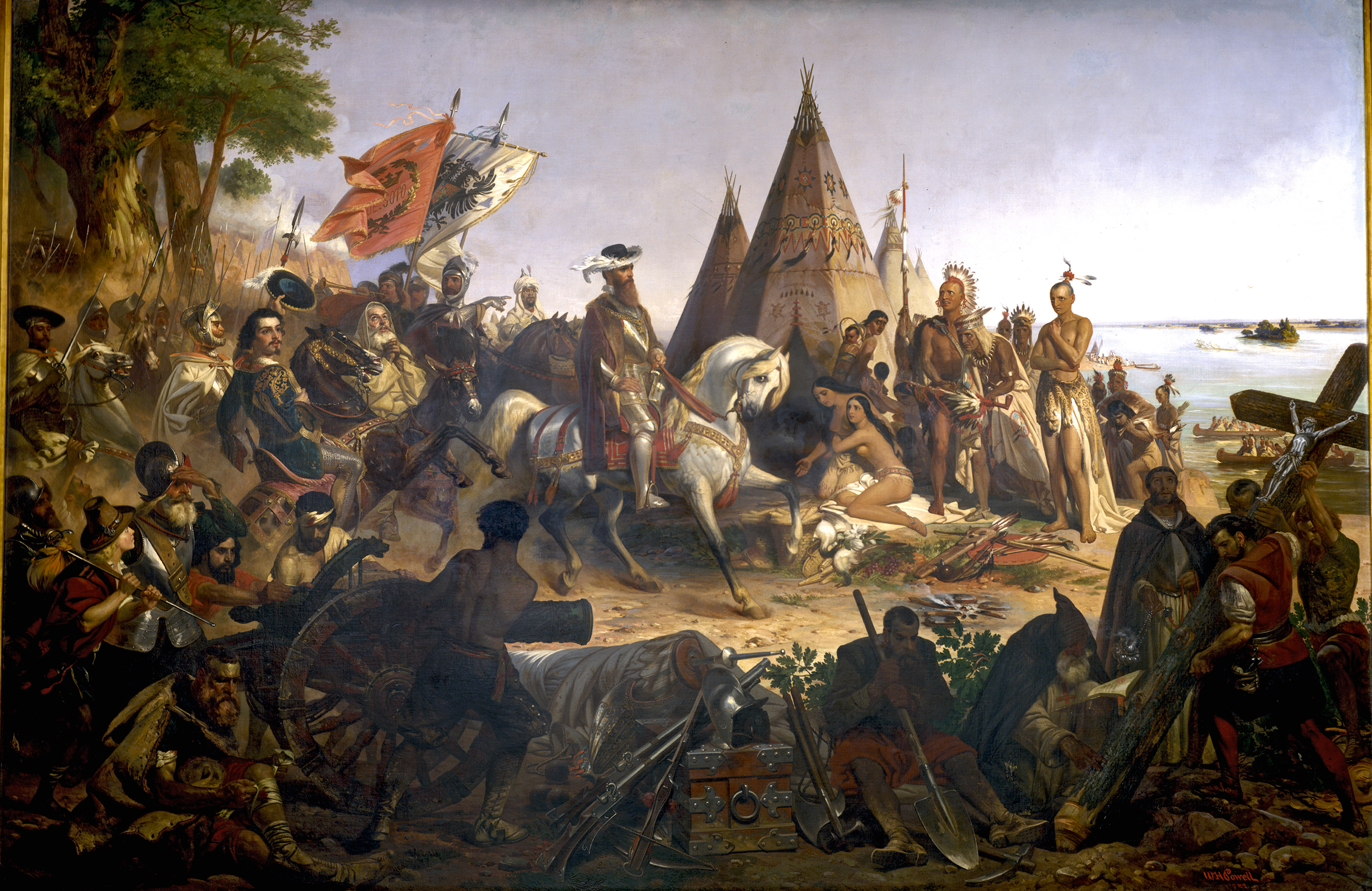
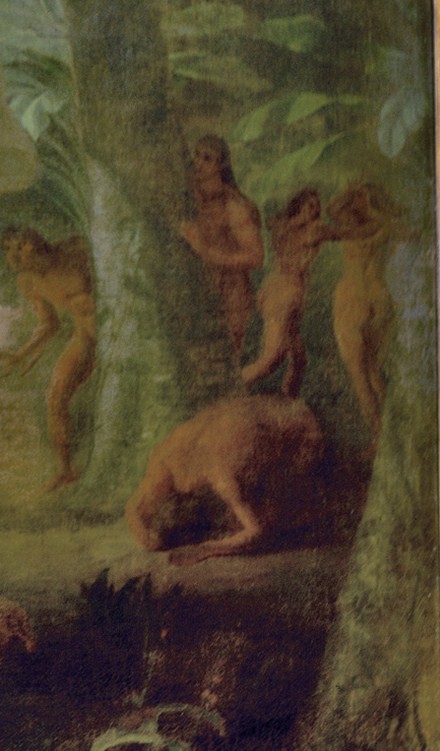
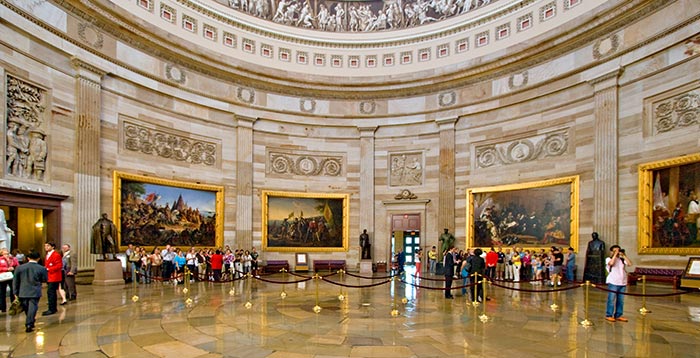
Despite this plunder and rape described by one of his own men, school textbooks in the US celebrate De Soto.   The story of De Soto’s journey is often placed in a chapter entitled something like “The Age of Exploration”. De Soto is described as an “explorer” who “explored” the southeast United States. He discovered the Mississippi River. Today, there are counties, towns, parks, elementary and high schools, and bridges named after him. De Soto is honored to this day in the Capitol Rotunda in Washington DC in a 12 foot by 18 foot painting with nearly life-size characters, in which two scantily-clad native women cower before him (see zoom above; full painting below). (I’m not sure why they are depicted this way; indigenous women in most cultures were fairly conservative.) The same image has appeared on the back of the $10 bill and $500 bill in the past.

desoto4

columbus painting 2Of course, this is not the only sexual crime against Native Americans to be overlooked by history as told in the US.  ISIS’s planning and management of the sex slaves is reminiscent Hernán Cortés’s conquest of Tenochitlán (Mexico City), in which he separated the attractive women from the unattractive, keeping the former for himself, but all of them were branded with a g for guerra.  ISIS’s pamphlets providing theological justification for sex slavery are reminiscent of the debates in Spain at the Council of the Indies regarding the questionable human status of Native Americans.  The kidnapping, rape, and impregnation of Pocahontas is another classic sexual assault, glossed over and re-written into a love story.  Another 12′ x 18′ painting, this one of Pocahontas’s baptism, also while in captivity, hangs in the Capitol Rotunda. In addition to the obvious parallel theological need to Christianize one’s sexual partner (willing or unwilling), the Pocahontas saga recalls Boko Haram’s claims that the school girls they kidnapped have converted to Islam and been married off.  There is yet another 12′ x 18′ foot painting in the Capitol Rotunda with Native Americans, this one showing Columbus landing in the Bahamas with naked Native women running through the forest (above).  That makes three enormous paintings in the Capitol depicting naked or captive Native women.  Congressmen condemning ISIS for their sex slavery walk past these every day.  It is right to condemn ISIS, but De Soto deserves a mention.  He, too, developed a theology of rape and employed it for several years across the American South.rotunda

Posted in news | Tagged , , , , , , , , , , , , , , , , | Leave a comment

A Facebook Discussion Puts the Makah Whale Hunt on Trial

Stephen Carr Hampton's avatarMemories of the People

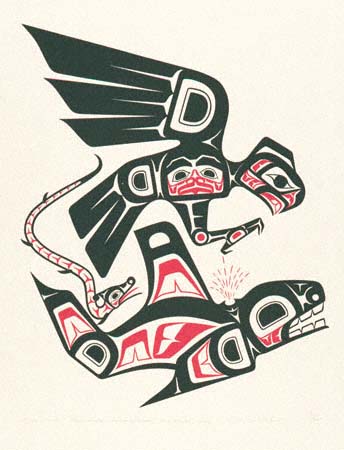
thunderbird1There are just a few days left to comment on granting permission to the Makah to resume their hunt of the gray whale.  Summary information is available here.   Written comment on the alternatives will be accepted at makah2015deis.wcr@noaa.gov.  THE DEADLINE IS JULY 31 (this Friday).

See this video for the Makah perspective and their reflection on the controversial 1999 hunt.  They describe how the whale hunt has enormous community value (one guy even stopped substance abuse) and is biologically responsible in terms of the whale population (which they avoided for decades because of depressed populations from excessive white hunting).  They do not mention a subsistence need, and indeed describe all the other seafood they eat.

On Facebook I was able to observe a discussion of the Makah plans by a group of whale biologists, environmentalists, liberals, and animal rights activists.  Some sympathized with the Makah, some were torn, and…

View original post 922 more words

Posted in Uncategorized | Leave a comment

A Facebook Discussion Puts the Makah Whale Hunt on Trial

thunderbird1There are just a few days left to comment on granting permission to the Makah to resume their hunt of the gray whale.  Summary information is available here.   Written comment on the alternatives will be accepted at makah2015deis.wcr@noaa.gov.  THE DEADLINE IS JULY 31 (this Friday).

See this video for the Makah perspective and their reflection on the controversial 1999 hunt.  They describe how the whale hunt has enormous community value and is biologically responsible in terms of the whale population (which they avoided for decades because of depressed populations from excessive white hunting).  They do not mention a subsistence need, and indeed describe all the other seafood they eat.

On Facebook I was able to observe a discussion of the Makah plans by a group of whale biologists, environmentalists, liberals, and animal rights activists.  Some sympathized with the Makah, some were torn, and some opposed.  The interesting part was the remarkable array of attacks on the Makah.  Here are some examples:

  • “Don’t know the value of actually killing the actual whale when so many substitute ways can be found to celebrate the whale spiritually – dances, ceremonies, totems, songs.”
  • “Just because the tribe has done it before does not make it right. In logic we call that an appeal to tradition fallacy. The ‘tradition fallacy’ is closely related to the ‘natural fallacy’. Both say that a practice is justified by the fact that it was done before. An example is human slavery. No one would justify keeping human slaves on the basis of the fact that it was indeed ‘tradition’ throughout most of human history.”
  • “If the Makah have the ability to make a video about it – they can find some other source of food.”
  • “So because Native Americans were treated terribly in the past we have to allow them to kill when there is no reason other than they want to do it?”
  • “Female circumcision is also a tradition! Bad one! Tradition should not be the key to FREE meat. And ask what kind of tradition claim six or 12 or ….. whales. The Faroe Islands are slaughtering pilot whales these days and say it’s tradition. The tradition content is that they use’d to harvest meat from the sea. So at the end of the day do we allow some ‘tribes’ to get their free meat from the ocean or not?”
  • “No one is trying to force any changes on tradition except the actual slaughter of Whale’s . They can still teach tradition just do it with out the actual blood of a living animal that is not healthy for humans to eat.. One does not have to participate in a tradition to learn about a tradition.”
  • “I value the lives of those whales as much as the lives of those Makah people and what I see is – loss of life versus “having to change a traditional practice”. In my view there is no contest.”
  • “Heard of any Makah people starving lately?”
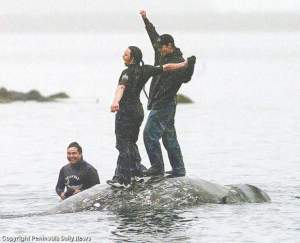
  • “Check out the photo above of Makah tribesman celebrating after they’ve tortured and killed a sentient being. Yeah – real respectful and traditional, They had better watch out and not get their Land’s End jackets dirty!”
  • “there is nothing traditional about going in out in motorized boats and killing animals and then selling the meat to other countries – which is exactly what the Makah do!” [Note: the latter claim is false.]
  • “I am concerned with the last kill…meat was wasted…”
  • “I’m learning about culture and diversity right this moment in my Human Realtions class. Culture is defined as something passed down and taught in generations… so then, what is tradition? Many tribes have hunted whales and no longer do so…why all of a sudden do they want to, is the question that needs to be answered. What was the reason for it in the past when they did? Sustenance? Do tribes change? Is it really still a needed tradition in the tribe?  They haven’t practiced it nor have they handed down the trait in the traditional cultural way to the generation who wants to do this now. That means their tradition and culture changed. Then I would have to ask, for what purpose is this for? Simply because you want to revive this tradition?”

All in all, it’s a remarkable display of white privilege.  These people do not have to fight for their traditional activities in court or defend themselves from claims they are selling to the Japanese, nor worry about defending what jacket they wear while they do it, or if they leave some food uneaten, or how critical it is to their survival, or what it means to their family or their community or their culture.

The Makah celebrate after killing a gray whale in 1999.  They have been fighting for 16 years to resume their hunt.

The Makah celebrate after killing a whale in 1999. They have been fighting for 16 years to resume their hunt.

There were a few nice counter-arguments from allies, one of whom lived for a time among the Makah:

  • “White people have been trying to forcibly teach native americans the difference between right and wrong for centuries. Suggesting that we’ve got the right to make moral decisions for the Makah who want to take a few gray whales each year is also a tradition fallacy.”
  • “I have big problems with the fact that we think we get to demand whaling bans and critique Native American culture and expect them to change while – until recently – we were pretty much fine with, or at least tolerant of things like Sea World and the capture and manipulation of “sentient animals” for capitalist profit. Plus, a lot of them died, or suffered severely. Plus, a lot of whales suffer and die from industrial fishing practices. But the Native Americans who have pretty intense respect and care for whales and their tradition are the guys we decide to crack down on? WTF?”
  • “I have a hard time separating this from other examples of white supremacy surfacing all over the country with the murders of black folks. To be honest, my priorities lie with them in that battle and I haven’t given much thought to my feelings about whale hunting. But – the common thread is (mostly) white people with assumed power telling communities of color what they should or should not do, and it doesn’t sit well with me regardless of the context in which it is happening. There’s no accountability amongst white people – we take and conquer and demand and tear apart treaties and we don’t ever question our motives or impacts on the communities we pretend like we own.”
Posted in news | Tagged , , , , , , , , , , | 3 Comments

Stealing Oak Flat without Apology

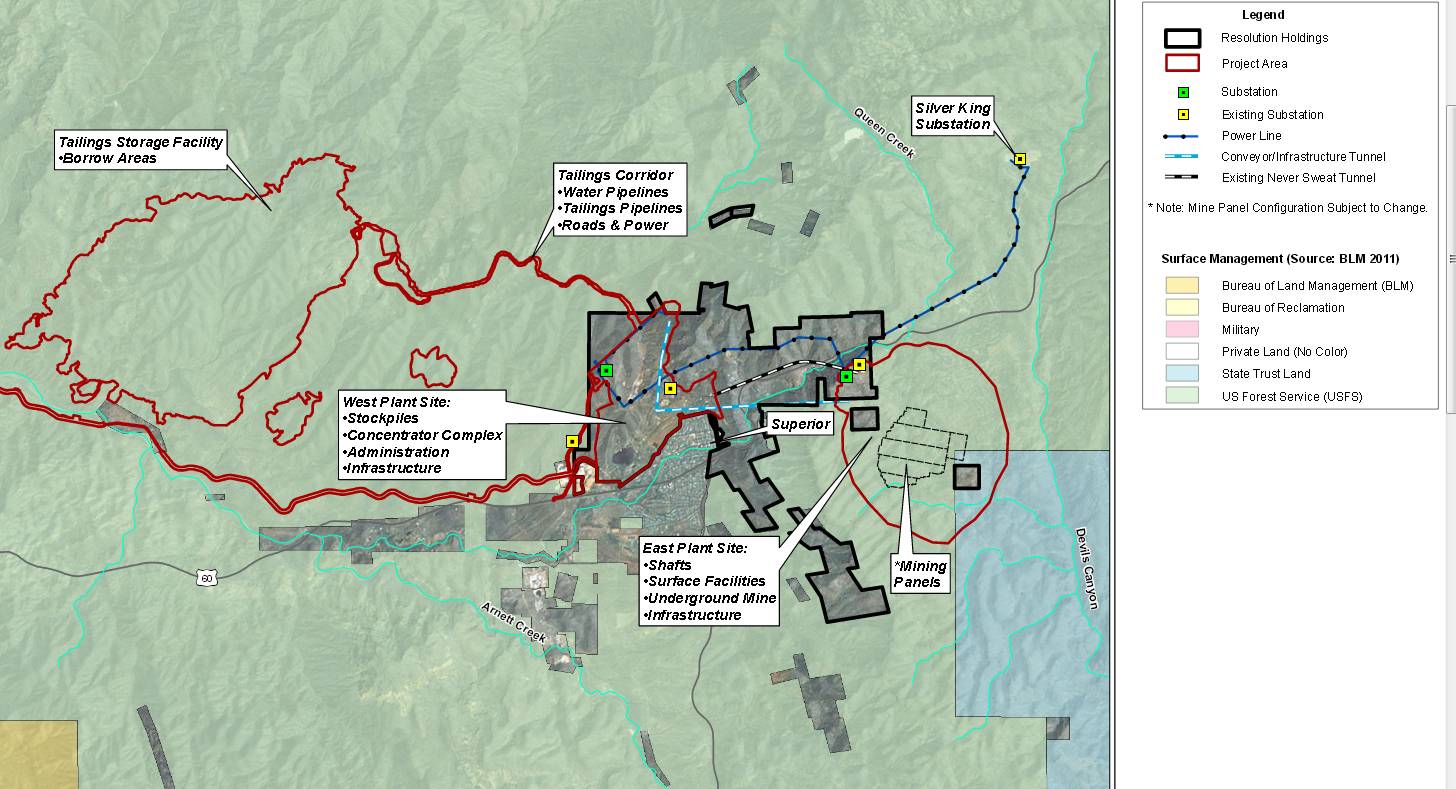
Here is a great piece by Mark Charles about the loss of sacred Apache lands:

The Stealing of Oak Flat & the Trauma of the Doctrine of Discovery

It notes that both the theft of Oak Flat and a general apology for taking Indigenous lands have been buried is Defense Appropriation Bills in the past.  Charles also discusses the Doctrine of Discovery and its relation to the US Supreme Court in Johnson v M’Intosh.

ResolutionMine

Posted in news | Tagged , , , , , , | Leave a comment